

How to Set Fence Posts in Concrete: Step-by-Step Guide
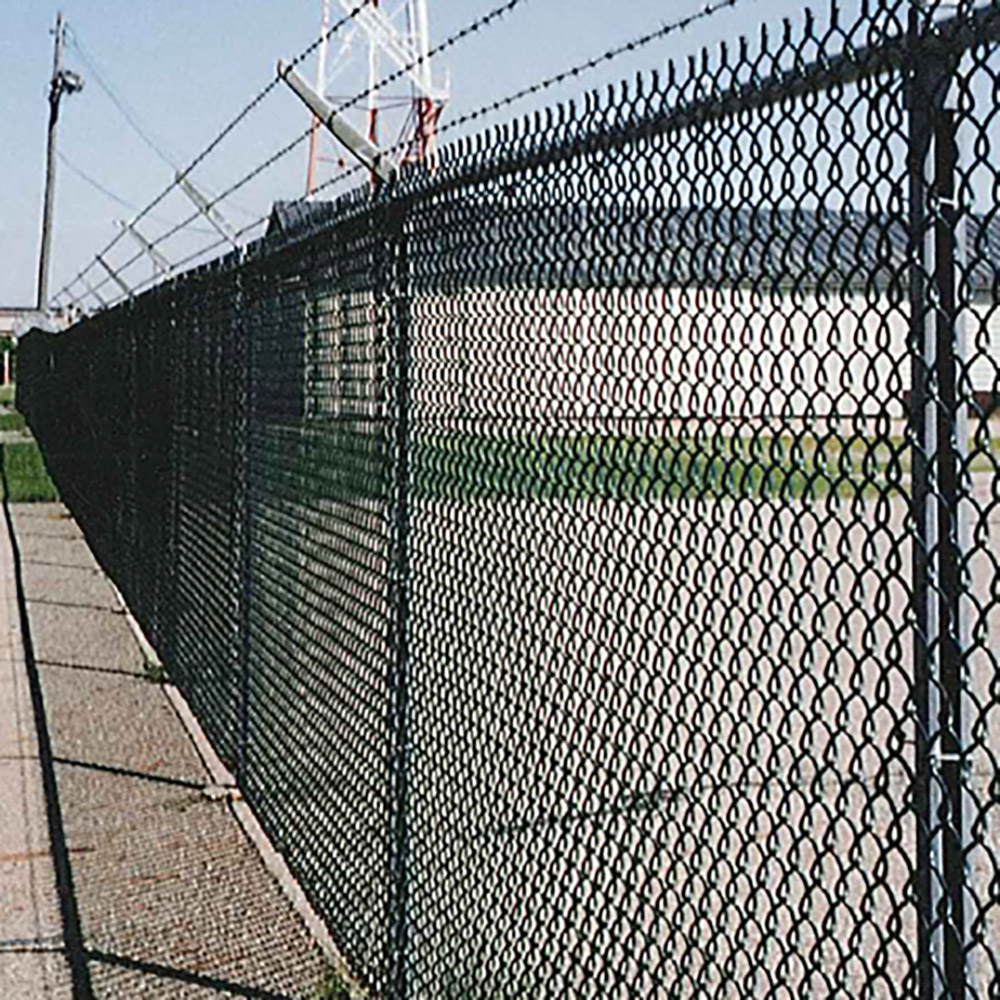
Using concrete to set fence posts is a smart choice that enhances stability, durability, and longevity—especially for metal and wooden fences in high-stress areas like corners and gate posts. While some may opt for alternatives like gravel or packed soil, concrete provides a solid foundation that prevents shifting, sagging, or weakening over time. A properly anchored fence is essential for ensuring it remains upright in all weather conditions, resisting movement from external forces like wind, animals, or general wear and tear. By choosing concrete as the base material, you greatly reduce the likelihood of structural failures, making your fence more reliable and long-lasting.
Why Should You Set Your Fence Posts in Concrete?
Concrete Provides Added Strength and Stability to Fence Posts
- Improves strength and stability: Concrete reinforces fence posts by securing them firmly in place, making it a crucial component for fences that need to withstand significant pressure or force.
Soil Composition Matters When Installing Fence Posts
- Handles soil movement, especially in areas with freeze/thaw cycles: The type of soil in which a fence is installed plays a significant role in its stability. In loose or sandy soil, posts can shift or tilt over time because the soil lacks the density to hold them firmly in place, and concrete provides a way to create a level foundation, ensuring the fence remains strong regardless of the surrounding landscape.
Metal Fence Posts Require a Stronger Base
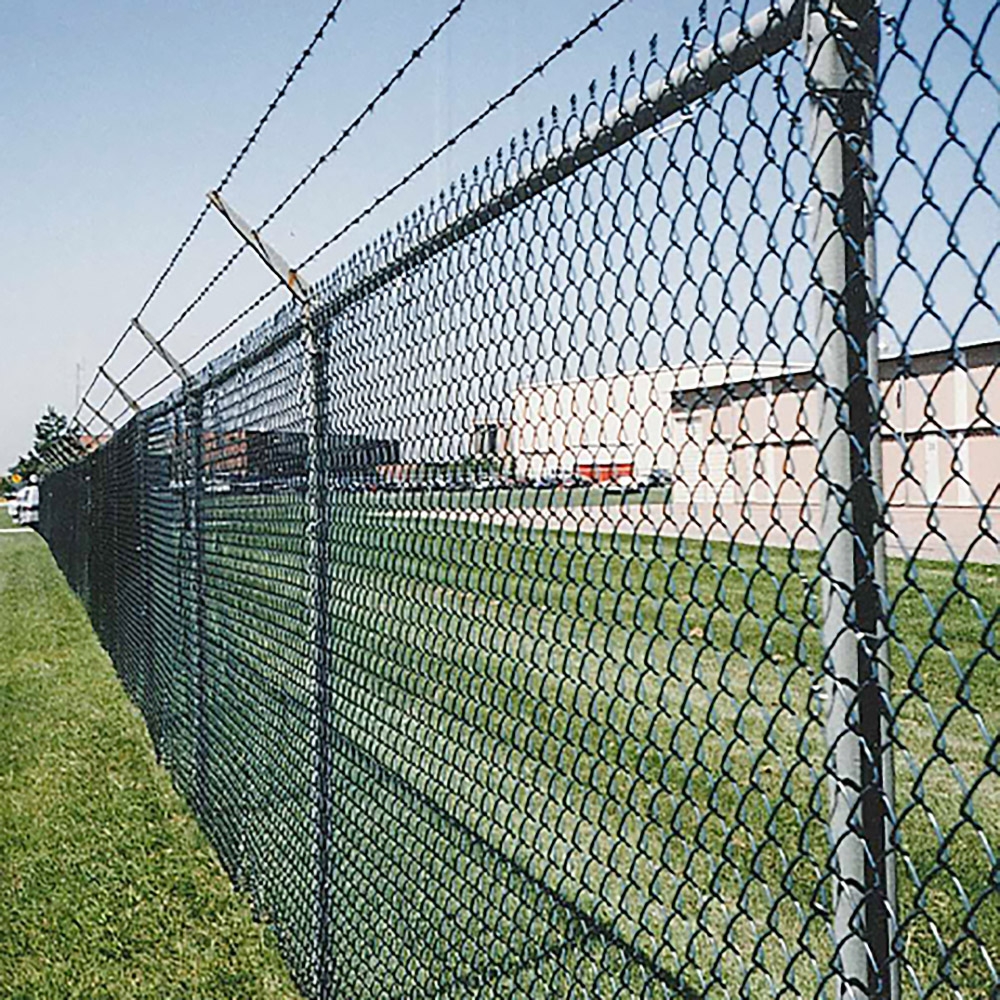
- Supports weight, vital for chain-link fences under tension: Unlike wooden posts, metal fence posts, such as those used for chain-link fences, typically have a smaller diameter, meaning they have less surface area for the surrounding soil to grip. Concrete is the best way to ensure that metal posts remain stable, providing the necessary reinforcement to hold them upright and secure.
How to Set Fence Posts Using Concrete: A Step-by-Step Guide
Tools and Materials Needed:
- Tape Measure
- Manual or Mechanical Digging Tool - (Post Hole Digger, Shovel, Powered Auger, etc)
- Gravel - (for the Base of the Fence Post Hole)
- Wooden Stakes and Clamps - (for Bracing the Post as the Concrete Sets)
- Concrete Mixing and Pouring Tools
- Concrete
- Soil or Sealant - (Optional)
Step 1: Dig the Post Hole
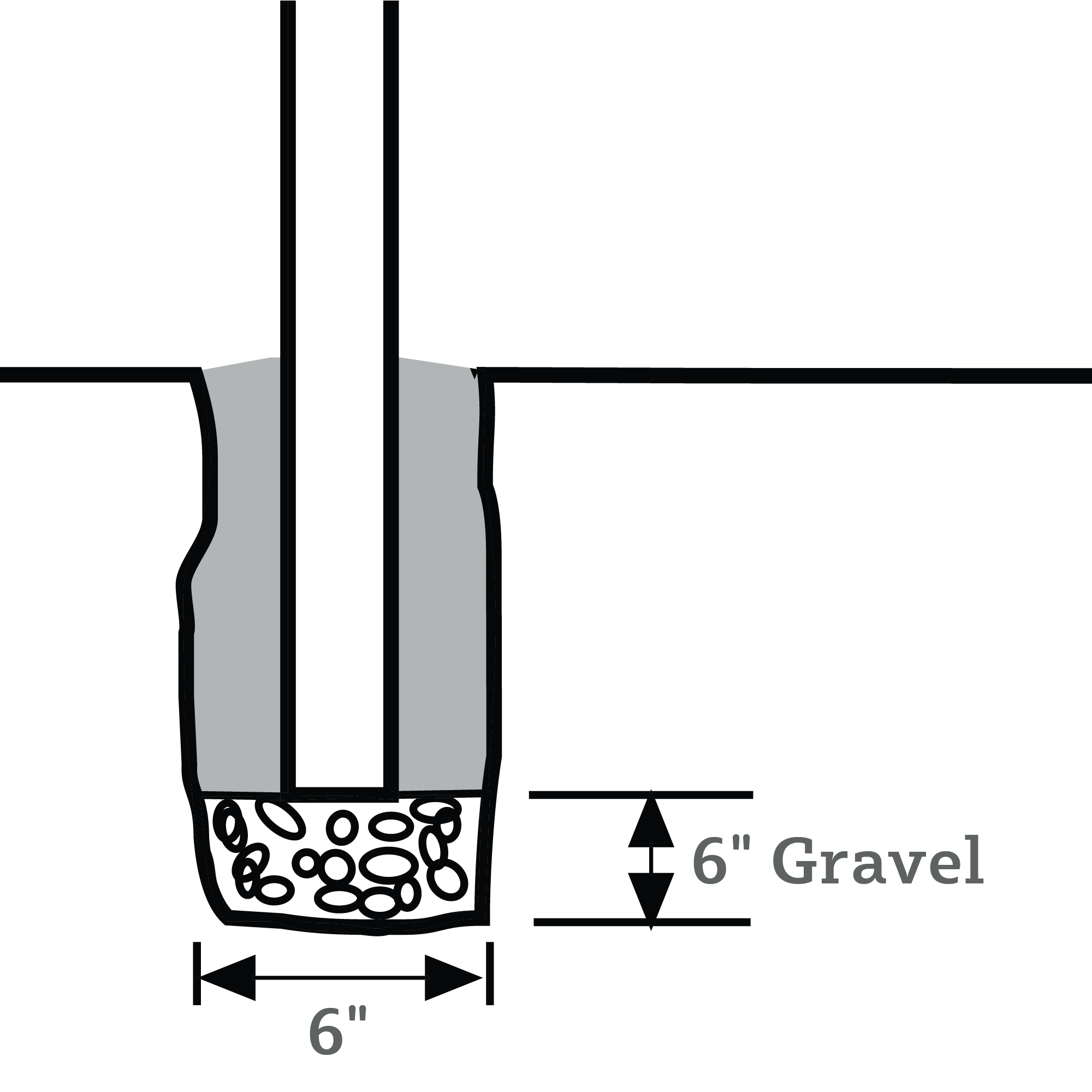
- Width: Make the hole three times the width of the post. (For example, if using a 2-inch post, dig a 6-inch wide hole.)
- Depth: The hole should be at least 1/3 the total length of the post.
- Example: For a 6-foot-tall fence, dig the hole 2 feet deep to ensure proper stability.
Pro Tip: In colder climates, dig below the frost line to prevent shifting due to freezing and thawing cycles.
Step 2: Add a Gravel Base
- Pour 4 to 6 inches of gravel into the hole to aid drainage and prevent the concrete from directly contacting the soil.
- Use the fence post to tamp down the gravel until it's firmly packed.
Step 3: Insert & Brace the Fence Post
- Position the post in the center of the hole.
- Use stakes and braces to hold the post level and plumb (straight from all angles).
Pro Tip: Double-check the alignment with a level before pouring concrete.
Step 4: Mix & Pour the Concrete
- If using fast-setting concrete, pour the dry mix directly into the hole.
- Add the recommended amount of water (typically 1 gallon per 50-pound bag) over the dry concrete.
- Allow the concrete to soak and set—no need for mixing.
Optional: Some people choose to add a layer of soil or sealant on top of the concrete after it cures for a more natural look.
Step 5: Allow the Concrete to Set
- Fast-setting concrete typically hardens in 20–40 minutes, but allow at least 4–6 hours before attaching fencing.
- For standard concrete, let it cure for 24–48 hours before applying pressure or adding fence panels.
Pro Tip: Avoid disturbing the posts while the concrete is drying to ensure a firm set.
Frequently Asked Questions About Installing Fence Posts in Concrete
1. How Deep Should Fence Posts Be Set in Concrete?
Fence posts should be set at a depth that is at least one-third of their total length to ensure proper stability. For example, if you are installing a 6-foot fence, the post should be buried at least 2 feet into the ground. In areas with high winds, loose soil, or extreme weather conditions, it may be beneficial to go even deeper. Additionally, digging below the frost line is recommended in colder climates to prevent ground movement from freezing and thawing cycles.
2. Do I Need to Mix the Concrete Before Pouring It Into the Hole?
If you are using a fast-setting concrete mix, you typically do not need to pre-mix it before pouring. Instead, you can pour the dry concrete directly into the hole around the post and then add water according to the manufacturer's instructions. The concrete will absorb the water and begin setting on its own, making the installation process quicker and more efficient. However, for standard concrete mixes, you may need to mix the concrete with water in a separate container before pouring it into the hole.
3. How Long Does It Take for Concrete to Set Before Attaching Fence Panels?
The setting time for concrete depends on the type of mix used and the weather conditions. Fast-setting concrete typically hardens within 20 to 40 minutes, allowing for quicker fence installation. However, it is still recommended to wait at least 4 to 6 hours before applying any pressure or attaching fence panels. For standard concrete mixes, you should allow at least 24 to 48 hours for the concrete to fully cure before proceeding with the rest of the fence installation.
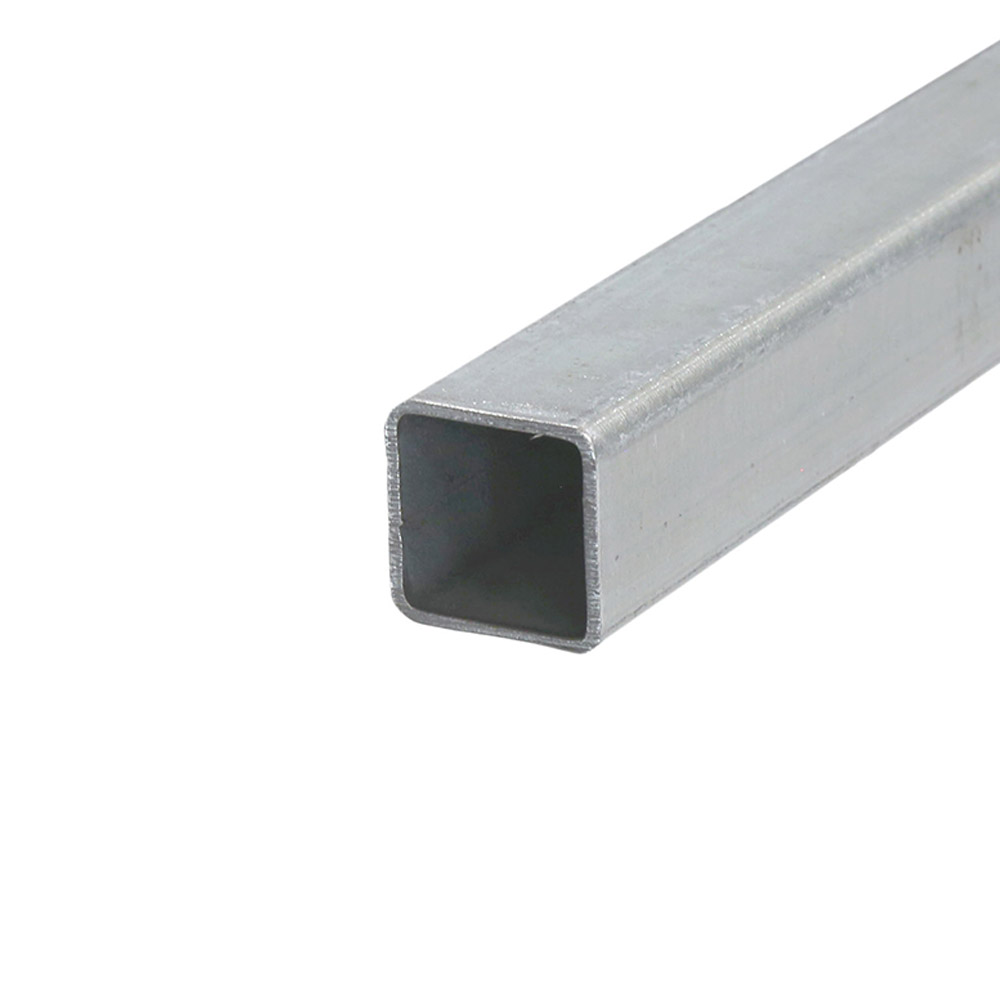
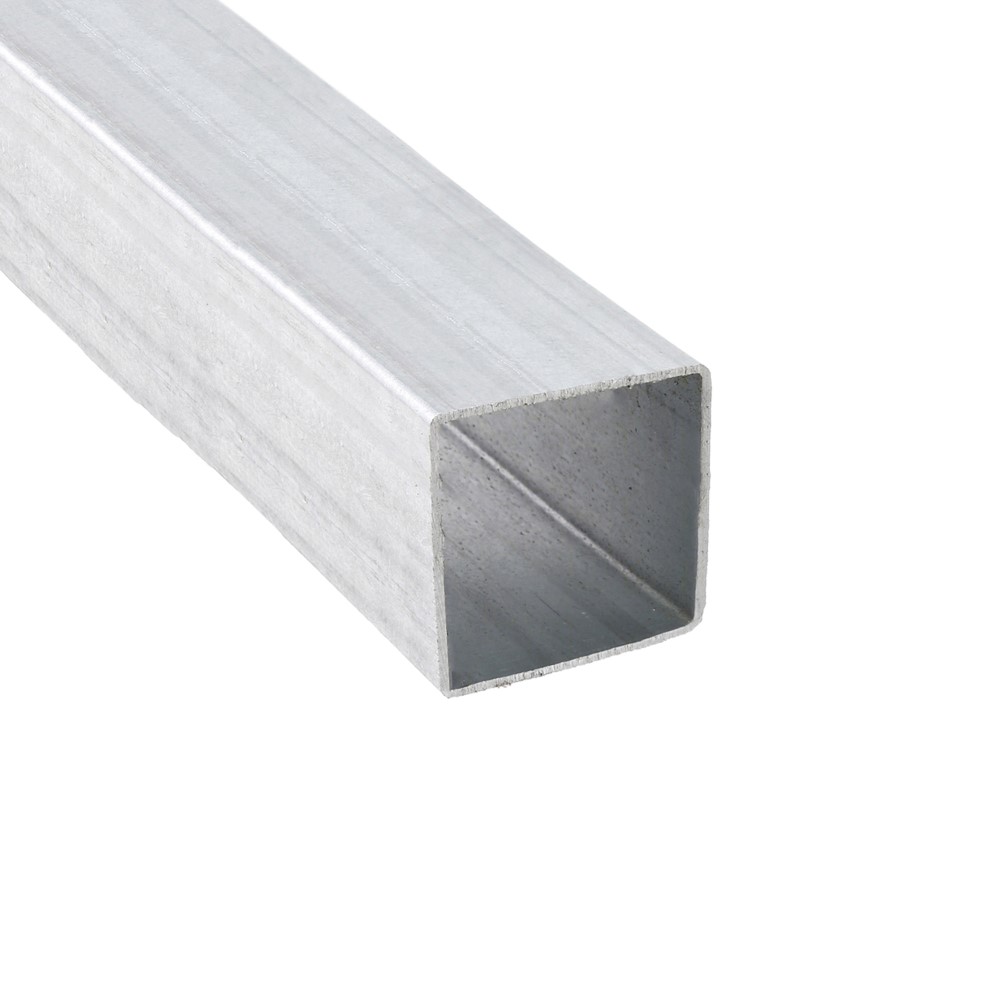
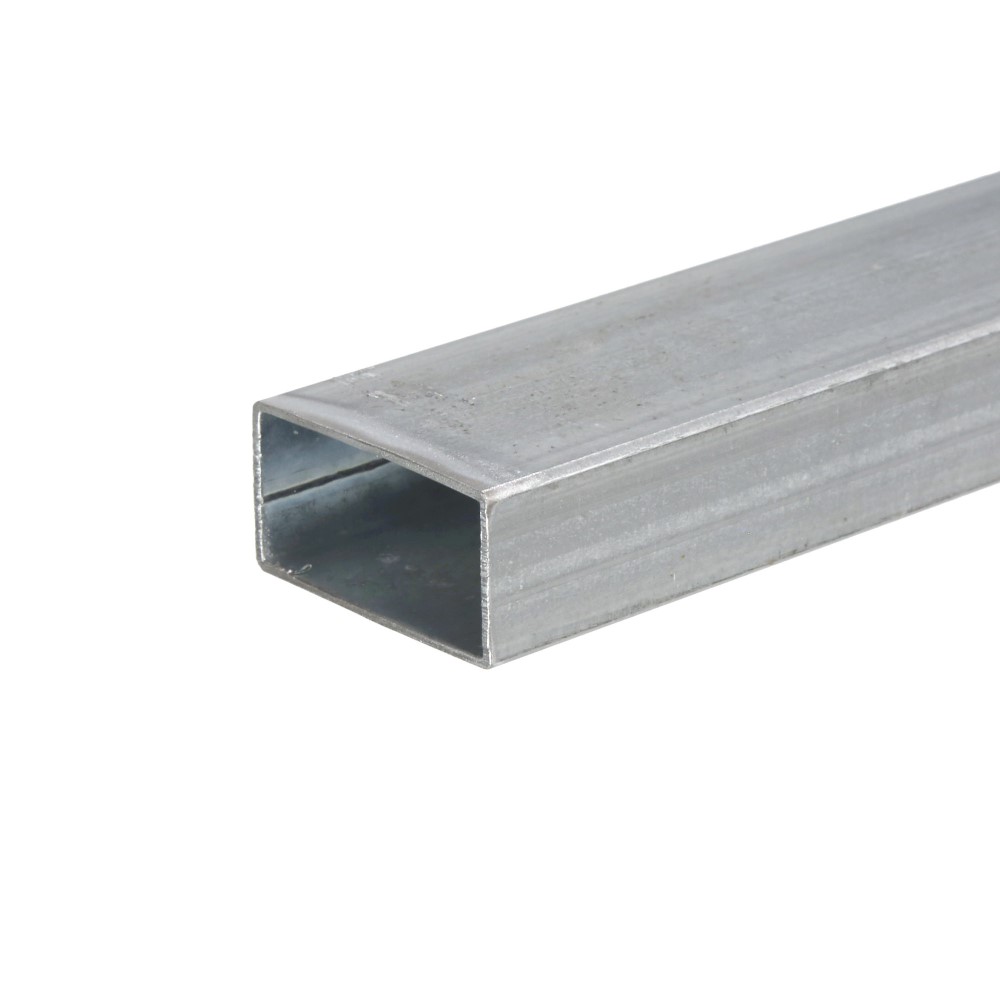
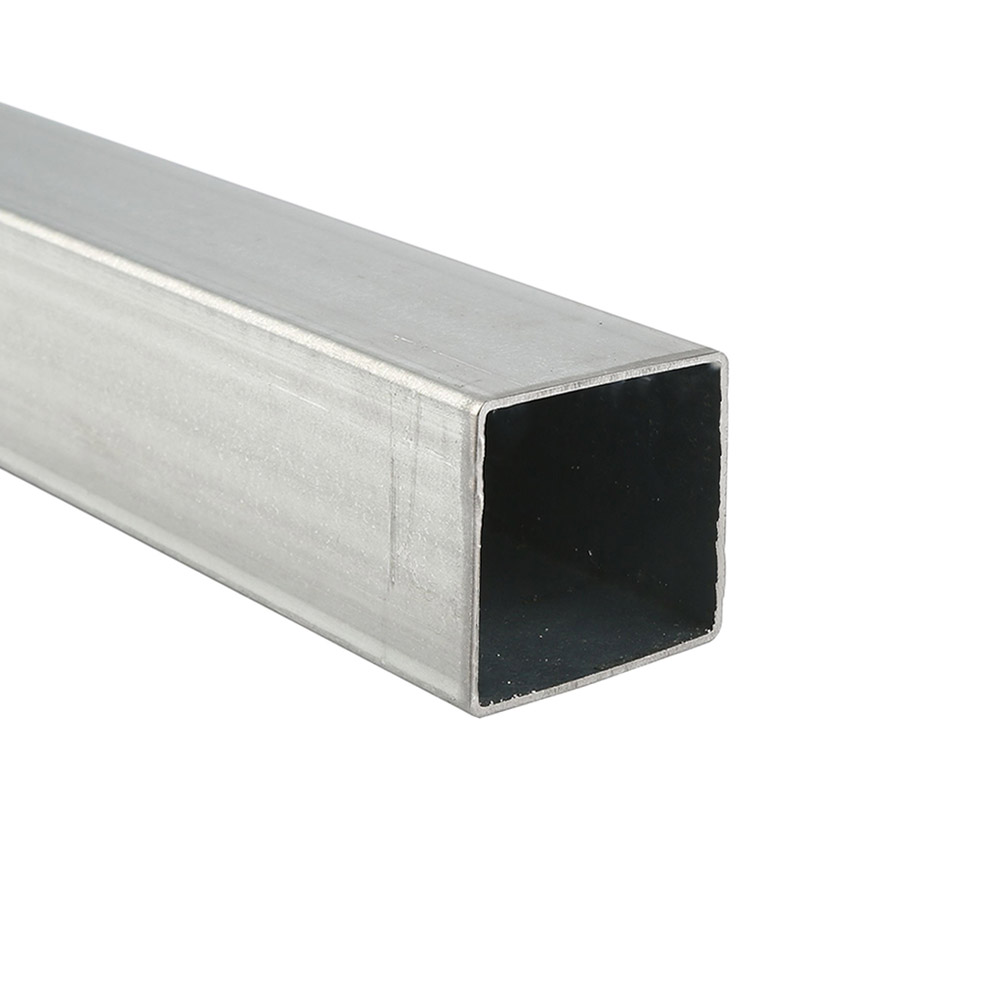
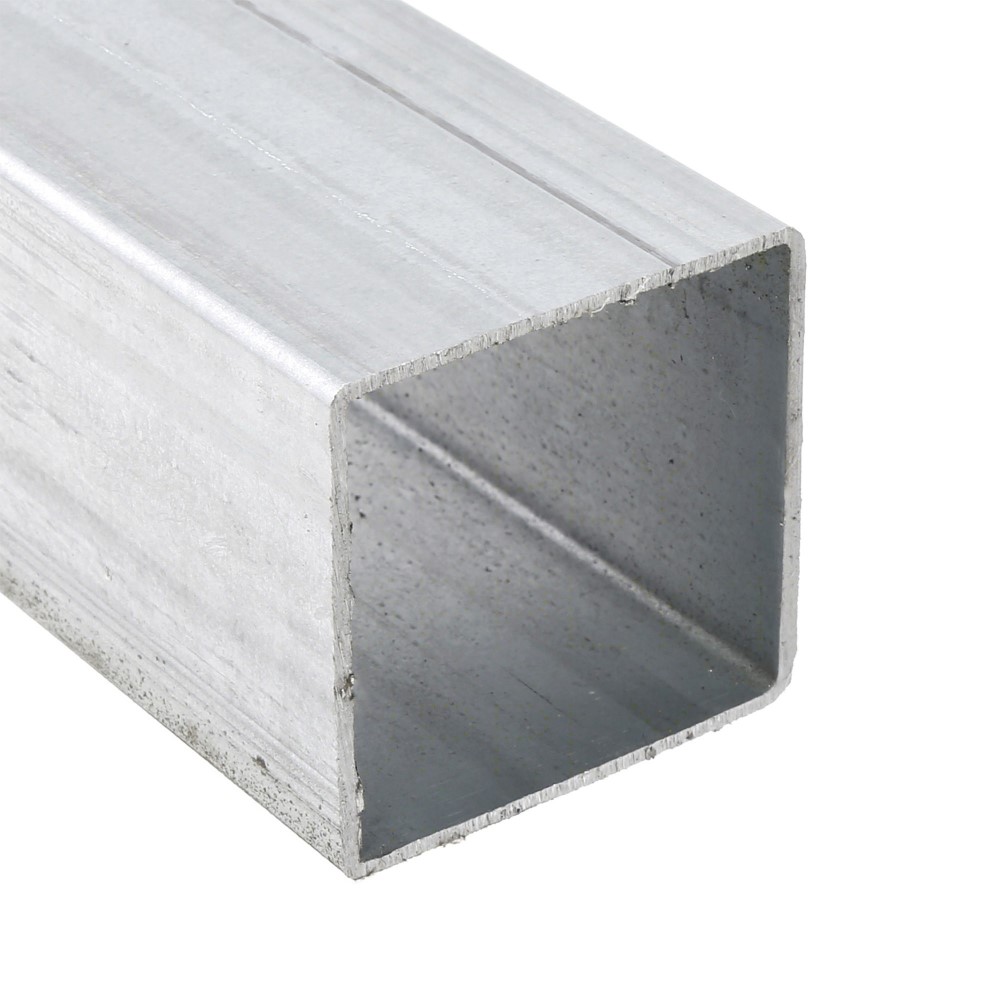
Shop for Square Tubing
Contact Us
Using concrete to set your fence posts is the best way to ensure long-term stability, durability, and resistance to shifting. Whether you're installing a wooden fence, a chain link enclosure, or a heavy-duty security fence, a solid concrete foundation will keep your posts strong and upright for years to come. Our high-quality concrete mixes, fence post bracing solutions, and expert installation tips can help you build a fence that stands the test of time. If you're unsure about the best concrete type, post size, or installation method for your specific fencing project, our knowledgeable team is ready to assist you. Contact us today for expert advice and to find the best materials for securing your fence posts with confidence!
Contact Us Shop All Square Fence Tubing